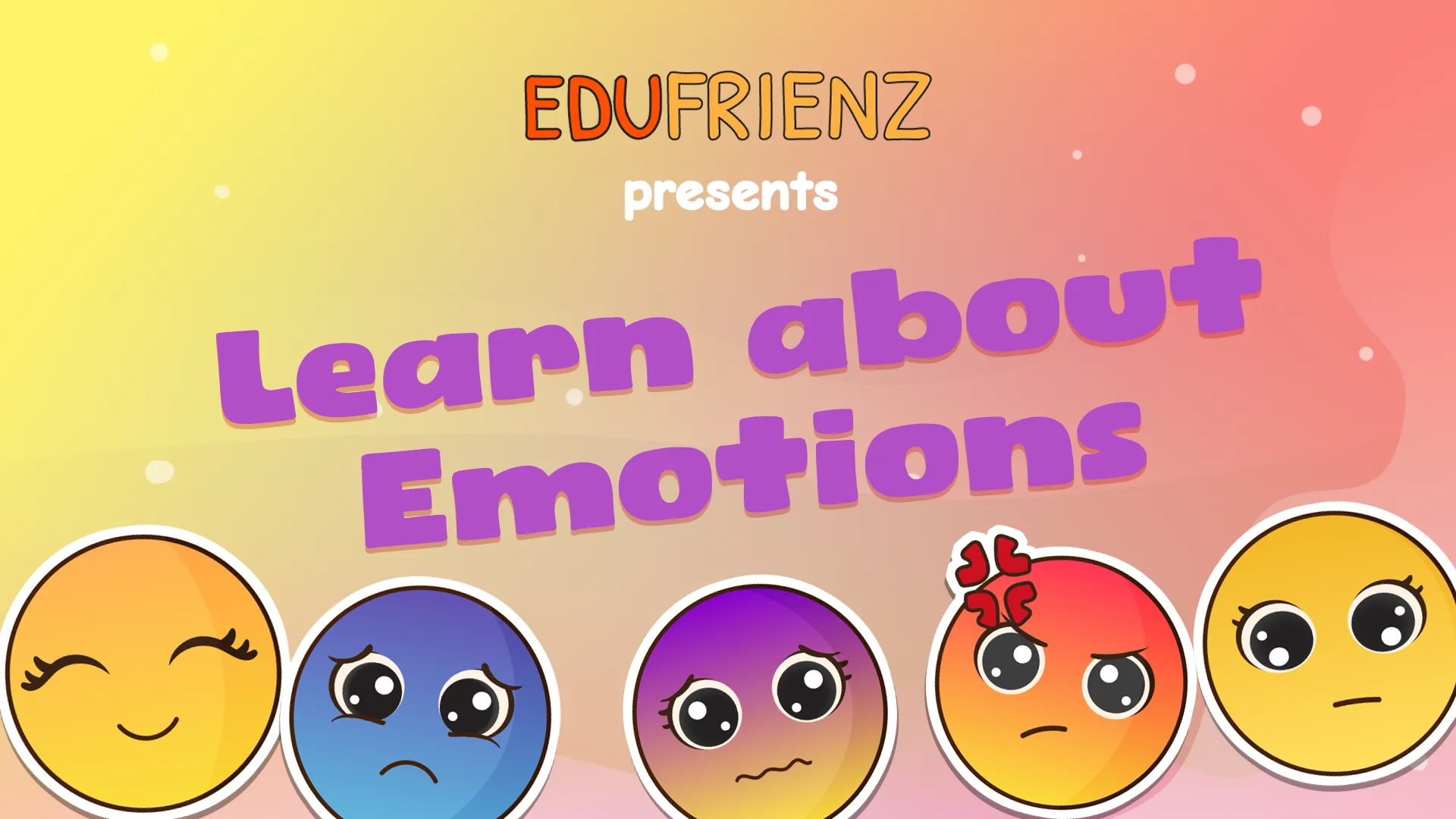
Understanding the Feelings Inside Me – Emotions
Share this Product
A child may feel excited in one moment, worried in the next, and frustrated without knowing how to explain why. The Understanding the Feelings Inside Me video gives children simple words for the emotions they experience and shows that every feeling carries useful information. Spark Frienz introduces common emotions through situations children recognise, while guiding them to notice body signals, express themselves safely, and understand that feelings can c...
Description
Video Coverage
- Discovering common emotions: Children are introduced to feelings such as happiness, sadness, anger, fear, worry, excitement, disappointment, and pride through clear everyday examples.
- Understanding that feelings can change: The video shows how emotions may shift as situations change, and that no feeling stays exactly the same forever.
- Noticing body signals: Children learn that emotions may appear through a fast heartbeat, tight muscles, tears, butterflies in the stomach, a warm face, or extra energy.
- Connecting feelings with situations: Familiar moments help children understand that events, thoughts, expectations, and interactions can influence how they feel.
- Expressing emotions safely: The lesson introduces healthy ways to communicate feelings through words, calm actions, creative expression, or support from a trusted adult.
- Accepting every emotion: Children discover that uncomfortable feelings are not bad, although the way they respond to those feelings still matters.
Teacher and Parent Application Methods
- Use emotion words throughout the day: Adults can name feelings during ordinary moments so children hear emotional language in a natural and useful context.
- Invite children to describe body clues: Questions about where a feeling appears in the body can make emotions easier to recognise before they become overwhelming.
- Reflect feelings without judgement: Saying, “You seem disappointed because the game ended,” shows children that emotions can be noticed and discussed calmly.
- Offer safe ways to express strong feelings: Drawing, talking, breathing, moving, resting, or asking for comfort can give children alternatives to shouting or hurting others.
- Explore emotions through stories and play: Characters, puppets, role play, and picture books can open simple conversations about what someone may feel and why.
- Teach that feelings and behaviour are different: Children can learn that anger is acceptable, while hitting or insulting someone is not a safe response.
Learning Outcomes for Children
- Name a wider range of emotions: Children will become more confident identifying and describing feelings they experience in daily life.
- Recognise physical signs of emotion: Children will learn to notice how their body may react when they feel worried, angry, excited, or sad.
- Understand what may cause a feeling: Children will begin to connect emotions with situations, thoughts, needs, and expectations.
- Communicate feelings more clearly: Children will practise using words and safe actions to explain what is happening inside them.
- Accept uncomfortable emotions: Children will understand that difficult feelings are a normal part of life and can be handled with support.
- Choose safer responses: Children will learn that they can feel strongly without harming themselves, other people, or their surroundings.
How This Video Supports Social Emotional Learning Development
- Creates an emotional vocabulary: Children gain the words they need to describe inner experiences with greater accuracy.
- Strengthens self-awareness: The lesson connects feelings with body signals, thoughts, and everyday situations.
- Supports emotional regulation: Recognising an emotion early gives children more time to choose a calm and suitable response.
- Improves communication: Clear emotional language reduces confusion and makes it easier for children to ask for what they need.
- Encourages empathy: Understanding their own feelings prepares children to notice and respect emotions in others.
- Builds emotional confidence: Children learn that emotions can be understood, expressed, and managed without shame.
Related Videos


You must be logged in to post a review.